

Introduction
Chulu West Peak Climbing is a spectacular Himalayan adventure that combines high-altitude trekking with the challenge of climbing one of Nepal’s notable trekking peaks. Rising to approximately 6,419 meters, Chulu West Peak is situated in the Annapurna region and provides an exciting opportunity for adventure seekers to experience technical mountaineering while exploring the famous Annapurna Circuit.
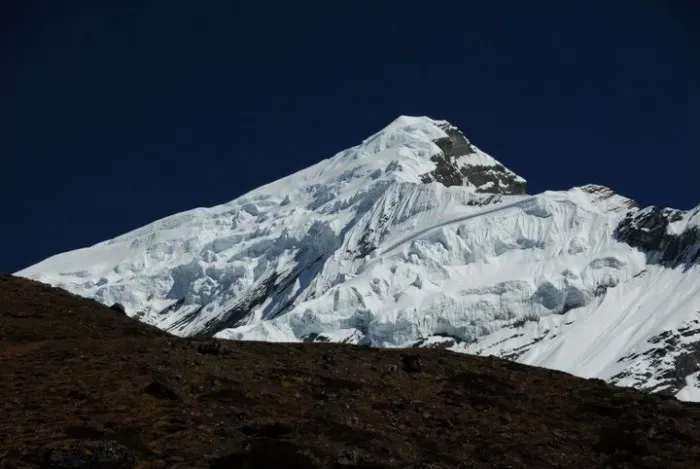
The journey takes climbers through diverse landscapes, from lush valleys and traditional villages to arid mountain terrain, high passes, glaciers, and snow-covered peaks. The approach follows sections of the Annapurna Circuit, one of Nepal’s most celebrated trekking routes, before heading toward the climbing area of Chulu West.
The expedition requires considerably more preparation than a standard trek. Participants need good physical fitness, proper acclimatization, appropriate mountaineering equipment, and professional guidance. The high elevation, cold temperatures, steep terrain, and changing weather conditions make careful planning essential.
For trekkers looking to add a genuine mountaineering challenge to their Annapurna experience, Chulu West Peak Climbing provides an exciting combination of natural beauty, cultural discovery, and Himalayan adventure.
Where Is Chulu West Peak?
Chulu West Peak is located in the northern part of the Annapurna region of Nepal. It forms part of the Chulu mountain group near the Manang Valley.
The mountain is surrounded by an impressive collection of Himalayan peaks and lies close to the classic Annapurna Circuit route. Its position provides climbers with views of Annapurna II, Annapurna III, Annapurna IV, Gangapurna, Manaslu, Dhaulagiri, and numerous other peaks, depending on the viewpoint and weather.
The approach through the Manang Valley is particularly scenic. The landscape gradually changes from green hills and forested valleys to dry, high-altitude terrain as the trail moves toward the upper Manang region.
This geographical diversity makes the expedition attractive not only for climbing but also for trekking and cultural exploration.
Why Choose Chulu West Peak Climbing?
There are several reasons adventure travelers choose Chulu West Peak Climbing.
One of the biggest advantages is the opportunity to combine the famous Annapurna Circuit with a Himalayan peak ascent. Rather than completing a conventional circuit trek, participants can add a mountaineering objective to the itinerary.
The route also provides exceptional scenery. The contrast between lush lower valleys and the rugged high-altitude landscape creates an impressive visual journey.
Another attraction is the opportunity to develop mountaineering skills. Climbers can learn and practice techniques involving crampons, ice axes, ropes, harnesses, and glacier travel.
The expedition also offers a valuable cultural experience. The Manang region has strong Tibetan Buddhist influences, and travelers can observe monasteries, prayer wheels, chortens, mani walls, and traditional mountain settlements.
Major Highlights of Chulu West Peak Climbing
A well-organized Chulu West Peak Climbing expedition can include numerous natural, cultural, and adventurous highlights:
-
Trekking through the Annapurna Circuit region
-
Exploring traditional villages of the Manang Valley
-
Experiencing Himalayan Buddhist culture
-
Enjoying views of Annapurna and surrounding peaks
-
Crossing the challenging Thorong La Pass
-
Walking through high-altitude valleys and alpine terrain
-
Learning basic mountaineering techniques
-
Exploring glaciers and snow-covered landscapes
-
Camping at high altitude
-
Attempting the summit of Chulu West Peak
-
Experiencing spectacular Himalayan sunrise and sunset views
The combination of a classic trekking route and a high-altitude climbing objective makes this adventure particularly distinctive.
Chulu West Peak Climbing Route
The exact itinerary varies depending on the selected operator, transportation arrangements, acclimatization needs, and mountain conditions.
The journey generally begins in Kathmandu before traveling toward the lower section of the Annapurna Circuit.
The trekking route gradually moves through rural settlements and river valleys before entering the Manang region. The scenery changes as the elevation increases, with forests giving way to dry hills, alpine meadows, and dramatic mountain landscapes.
Acclimatization is incorporated into the itinerary, particularly around Manang and other suitable high-altitude locations.
The route then approaches the Chulu West climbing area. Once the climbing team reaches the appropriate base camp, climbers prepare their technical equipment and receive or review mountaineering instruction.
Depending on the route and conditions, a higher camp may be established before the summit attempt. The summit push normally begins early in the morning when conditions are generally more suitable.
After the ascent, climbers descend carefully and continue the trek through the Annapurna region.
Some itineraries incorporate the Thorong La Pass either before or after the climbing section, creating a comprehensive Annapurna adventure.
Difficulty Level
Chulu West Peak Climbing is a challenging high-altitude expedition. It requires considerably more physical and technical preparation than a normal Annapurna Circuit trek.
The altitude is one of the primary challenges. At more than 6,400 meters, oxygen levels are significantly lower than at sea level.
The climbing route can involve steep snow and ice, rocky terrain, glaciers, and technical sections. Conditions vary according to the season and weather.
Previous high-altitude trekking or mountaineering experience is highly beneficial. However, climbers with limited technical experience can prepare through professional instruction before the summit attempt.
Participants should be capable of walking long distances over multiple days and should be comfortable with strenuous uphill and downhill movement.
Physical Preparation and Training
Physical preparation is essential for a successful Chulu West Peak Climbing expedition.
Training should ideally begin several months before departure. Cardiovascular exercises such as running, cycling, swimming, hiking, and stair climbing can help improve endurance.
Strength training should focus on the legs and core. Squats, lunges, step-ups, and functional exercises can help prepare the body for steep climbs and long descents.
Long-distance hikes with a backpack are particularly useful. They simulate the demands of the trekking section and help participants become accustomed to carrying equipment.
Technical climbing preparation should include practice with crampons, ice axes, harnesses, ropes, and other mountaineering equipment.
A professional climbing team can provide additional training in Nepal, but prior practice can improve confidence and efficiency.
Altitude and Acclimatization
Altitude management is a major consideration during Chulu West Peak Climbing.
The itinerary moves from relatively low valleys to elevations exceeding 6,000 meters. The body therefore requires sufficient time to adapt.
Symptoms of altitude sickness can include headache, nausea, dizziness, fatigue, and difficulty sleeping. More severe altitude-related conditions can become dangerous and require immediate descent.
A well-designed itinerary should include acclimatization days and gradual elevation gains.
Climbers should maintain a steady walking pace, drink enough water, eat regularly, and get sufficient rest.
Any concerning symptoms should be reported to the guide immediately. Reaching the summit should never be treated as more important than personal safety.
Best Time for Chulu West Peak Climbing
Spring and autumn are generally the most favorable seasons for Chulu West Peak Climbing.
Spring, from March to May, offers increasingly warmer temperatures and generally favorable trekking conditions. Lower parts of the Annapurna region may also be colorful with blooming rhododendrons.
Autumn, from September to November, is another popular season. The skies are often clearer after the monsoon, providing excellent views of the surrounding Himalayan mountains.
Winter brings much colder temperatures and potentially heavy snow. Higher mountain routes can become significantly more challenging during this period.
The summer monsoon affects lower sections of the Annapurna region with rainfall and cloud cover. Trails may become muddy, and visibility can be limited.
Mountain weather remains unpredictable in all seasons, so summit decisions should be based on current conditions and professional assessment.
Equipment Required
Appropriate equipment is essential for Chulu West Peak Climbing. The exact requirements depend on the route, season, and operator, but typical equipment may include:
-
Mountaineering boots
-
Crampons
-
Ice axe
-
Climbing harness
-
Helmet
-
Carabiners
-
Ascender and appropriate rope equipment
-
Warm thermal layers
-
Down or insulated jacket
-
Waterproof and windproof outer clothing
-
Warm gloves and socks
-
Mountaineering sunglasses or goggles
-
Headlamp with spare batteries
-
Cold-weather sleeping bag
-
Trekking poles
-
Backpack and daypack
-
Water bottles or hydration system
-
Personal first-aid supplies
Climbers should ensure that technical equipment is properly maintained and suitable for the expected conditions.
Accommodation and Food
During the Annapurna Circuit section, trekkers normally stay in teahouses or local lodges. These provide basic rooms and meals.
As the route enters more remote climbing areas, organized camping may be required. Tents, sleeping equipment, cooking facilities, and expedition supplies must be arranged in advance.
Common meals include dal bhat, rice, vegetables, noodles, soups, potatoes, pasta, and other simple dishes.
At high altitude, adequate nutrition is important because the body uses considerable energy while climbing and coping with cold conditions.
Lightweight snacks such as nuts, dried fruit, chocolate, and energy bars can provide additional energy during long days.
Permits, Guides, and Insurance
The Chulu West Peak Climbing expedition requires the applicable climbing and trekking permits. Requirements and fees can change, so travelers should verify current regulations before departure.
Professional guides are strongly recommended because of the technical and remote nature of the climb. Experienced guides can assist with navigation, acclimatization, route management, weather assessment, technical climbing, and emergency procedures.
A reputable expedition operator can also organize transportation, accommodation, permits, porters, camping equipment, meals, and other logistics.
Travel insurance should specifically cover high-altitude trekking and mountaineering. Participants should confirm that emergency evacuation and activities at the planned elevation are included in their coverage.
Safety and Responsible Travel
Safety should remain the highest priority throughout the expedition.
Weather conditions can change rapidly at high altitude. Snowfall, strong winds, freezing temperatures, and poor visibility may affect the route and summit attempt.
Participants should follow the recommendations of professional guides and remain flexible if conditions require a delay or change of plan.
Environmental responsibility is also essential. Trekkers should minimize plastic waste, avoid littering, and follow local waste-management practices.
Respect for local communities and cultural traditions is equally important. Travelers should behave appropriately around monasteries, prayer wheels, chortens, mani walls, and other religious sites.
Supporting local guides, porters, lodges, and businesses can help ensure that tourism contributes to communities throughout the Annapurna region.
Conclusion
Chulu West Peak Climbing is an impressive Himalayan adventure that combines the beauty of the Annapurna Circuit with the challenge of ascending a peak above 6,000 meters. The journey provides a diverse experience, beginning with traditional villages and green valleys before progressing into the rugged high-altitude landscapes surrounding the Chulu mountain group.
The expedition offers much more than a summit attempt. Travelers can experience Himalayan Buddhist culture, explore the Manang Valley, enjoy spectacular mountain views, and develop fundamental mountaineering skills. The opportunity to combine trekking and peak climbing makes the journey especially appealing to adventurous travelers seeking a more demanding experience in Nepal.
At the same time, the expedition requires serious preparation. High altitude, steep terrain, snow and ice, cold temperatures, and unpredictable weather can create significant challenges. Physical training, gradual acclimatization, suitable equipment, professional guidance, and appropriate travel insurance are essential.
Spring and autumn generally provide favorable conditions, although the final decision to climb should always depend on current mountain conditions. Flexibility is an important part of any Himalayan expedition, and safety should always take priority over reaching the summit.
For adventure seekers who want to explore the Annapurna region while taking on a genuine Himalayan climbing challenge, Chulu West Peak Climbing offers a memorable combination of trekking, culture, wilderness, and mountaineering. With careful preparation and responsible travel practices, the expedition can become an unforgettable journey through one of Nepal’s most spectacular mountain regions.
