

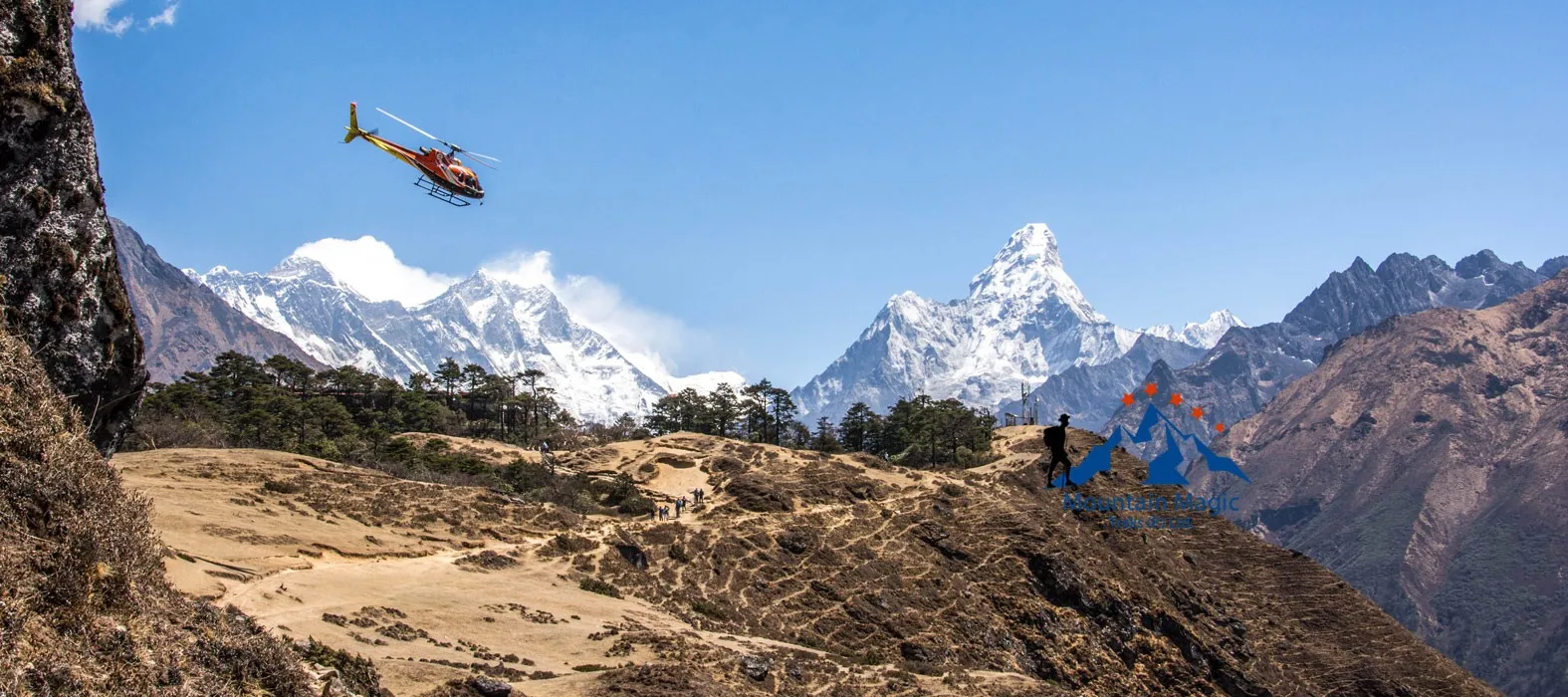
Reaching Everest Base Camp is not something you experience in a single moment. The journey builds slowly, one trail, village, and mountain view at a time.
The Everest Base Camp Trek With Helicopter Return follows the classic route through the Khumbu region before replacing the long return walk with a helicopter flight. The listed itinerary takes 10 days and includes acclimatization stops in Namche Bazaar and Dingboche.
For many travelers, the biggest mistake is treating each day as something to simply finish. A better approach is to understand what makes each section different.
Day One: Leave Room for Preparation
Your first day in Kathmandu is not really a trekking day. It is your chance to settle in, meet your team, and make sure everything is ready.
Check the Small Things
Look through your backpack before leaving the city.
Make sure your shoes are comfortable, your warm layers are easy to reach, and important documents are secure. Fixing a small problem in Kathmandu is much easier than dealing with it in a remote mountain village.
The trip uses helicopter flights between Kathmandu and Lukla, followed by the trekking route toward Everest Base Camp.
Day Two: Let Lukla Change Your Mindset
The helicopter flight to Lukla takes you from the Kathmandu Valley toward the mountains. The listed flight time is about 45 minutes.
After landing, the trek to Phakding begins.
Keep the First Walk Easy
The first walking day is around three hours.
That may sound short, but it is useful. You are getting used to the trail, your boots, your backpack, and the rhythm of walking in the Himalayas.
Do not try to prove your fitness on day one.
Save your energy.
Day Three: The Trail Starts Feeling Serious
The walk from Phakding to Namche Bazaar takes around six to seven hours and includes a major uphill section.
The trail passes through Monjo and crosses suspension bridges before climbing toward Namche.
Take Your Time on the Climb
The final climb can feel demanding.
Instead of taking huge steps, use a comfortable rhythm. Short breaks can help you keep your energy for the rest of the day.
This is also where many trekkers get their first clear sense that altitude will play a major role in the journey.
Day Four: Use Namche as an Investment
Namche Bazaar is more than a place to sleep.
The itinerary includes an acclimatization day here, with options such as hiking toward Everest View Hotel, Khumjung, or nearby cultural sites.
Explore Without Exhausting Yourself
You do not need to spend the entire day inside your lodge.
Take a gentle walk, look around the village, and enjoy the mountain views.
Then rest.
The purpose of the day is to help your body adjust before you climb higher.
Day Five: Find the Quiet Side of Tengboche
The route from Namche to Tengboche takes roughly five to six hours.
Tengboche is known for its Buddhist monastery and panoramic mountain setting.
Slow Down Around the Monastery
If you visit the monastery, treat it as a place of worship rather than just another stop on the itinerary.
Keep noise low and follow local customs.
The cultural side of the Everest region deserves as much attention as the mountain scenery.
Day Six: Watch the Trees Disappear
The trail from Tengboche to Dingboche continues upward.
As you gain altitude, the landscape becomes more open and vegetation becomes less dense. The mountains begin to feel much closer.
Accept a Slower Pace
At around 4,410 meters, Dingboche is high enough for normal walking to feel different.
Do not become frustrated if your pace drops.
Your body is dealing with less oxygen than it is used to. Walking slowly is not a failure. It is the sensible response.
Day Seven: Use the Mountain for Acclimatization
Dingboche includes another acclimatization day.
The listed itinerary uses a hike toward Nangkartshang Peak, reaching around 5,083 meters before returning to Dingboche.
Leave Your Heavy Bag Behind
For this type of acclimatization walk, carrying only a daypack makes sense.
Take water, warm clothing, snacks, and other essentials.
The goal is to spend some time at a higher level and then return to sleep at Dingboche.
That balance is important before moving toward even higher ground.
Day Eight: Enter the High Mountain Landscape
The route toward Lobuche takes you through increasingly rocky terrain.
The trail also passes the Thukla memorial area, where memorials remember climbers who died in the Everest region. The route continues alongside the Khumbu Glacier toward Lobuche.
Give the Memorials Respect
This is not simply another viewpoint.
Take a quiet moment before continuing.
The memorials remind trekkers that the mountains are beautiful but demanding. Respecting that reality is part of being a responsible visitor.
Day Nine: Make Base Camp the Main Event
The walk from Lobuche to Gorakshep and then Everest Base Camp is one of the biggest days of the trip.
The listed distance is around 15 kilometers, with seven to nine hours of trekking. Everest Base Camp sits at about 5,364 meters.
Carry Only What You Need
Leave unnecessary luggage at Gorakshep.
A small daypack is easier to manage during the walk to Base Camp and back.
Carry water, snacks, warm clothing, and anything you may need during the long day.
When you reach Base Camp, give yourself time to enjoy the Khumbu Icefall and surrounding mountains.
Do not make the whole experience about taking one photograph.
Day Ten: Finish With Kala Patthar
The final morning begins with the climb toward Kala Patthar.
At around 5,545 meters, it is the highest point listed in the itinerary and is known for its broad views of Everest and nearby peaks.
Watch the Morning Light
An early start can be cold, but sunrise over the Himalayas is one of the most memorable parts of the route.
Take your time.
Look at Everest, Pumori, Nuptse, and the surrounding landscape before heading back toward Gorakshep.
Then comes the part that makes this itinerary different.
Leave the Mountains From the Sky
After completing the trekking section, the helicopter takes you from the Gorakshep area toward Kathmandu.
Depending on weather and wind, the flight may include a short stop around Hotel Everest View or Namche before continuing onward.
See What You Just Walked
From the air, the entire region looks different.
Trails that took hours to cross become thin lines. Villages appear tiny. Glaciers, forests, valleys, and mountain ridges fit into one huge view.
The helicopter is not simply transportation.
It gives you a final perspective on the journey you have just completed.
The Smartest Way to Experience the Route
The Everest Base Camp Trek With Helicopter Return works best when you stop treating the itinerary as a race.
Each day has a different purpose.
Some days are for walking. Some are for acclimatization. Some are about culture. Others are about reaching a major viewpoint.
If you respect that rhythm, the trek becomes more enjoyable and less stressful.
Take the Journey Home With You
The strongest Everest memories may not come from the exact moment you reach Base Camp.
They may come from a quiet trail near Namche, a warm meal in Dingboche, the first sight of Everest, or the sunrise from Kala Patthar.
The Everest Base Camp Trek With Helicopter Return gives you time to experience those moments without spending several more days walking the same route back.
Walk patiently.
Look around.
Respect the mountains and local communities.
Then leave the Khumbu by helicopter with one final view of the trail beneath you.
FAQs
How long is the itinerary?
The listed trip length is 10 days from arrival to departure in Kathmandu.
Where are the acclimatization days?
The itinerary includes acclimatization days in Namche Bazaar and Dingboche.
What is the highest point?
Kala Patthar is listed at approximately 5,545 meters.
How long is the Base Camp day?
The Lobuche–Gorakshep–Everest Base Camp–Gorakshep day is listed at around seven to nine hours.
Can weather affect the helicopter return?
Yes. Mountain weather and wind conditions can affect the flight and its routing.
